
Moving Interstate or Overseas? Plan the Home, Car, and Paperwork as One Project

Table of Contents
A long-distance move is rarely just a matter of loading furniture into a truck. For Australian households, the real challenge is sequencing: packing the home, confirming access at both properties, updating records, managing storage, and deciding what happens to the family car if the relocation crosses state lines or international borders.
That is why the most successful moves are planned as one connected project rather than a collection of separate bookings. The removalist, cleaners, storage provider, building manager, vehicle transporter, and household members all need the same dates and priorities. If one part slips, the rest of the plan should still be able to adapt.

Moving Interstate: Start With the Arrival Week, Not the Packing Day
Many people begin by asking how many boxes they need. A better first question is, ‘What must be ready during the first week in the new place?’ That answer shapes everything else.
Set aside the documents, clothing, medication, chargers, work equipment, school items, keys, and basic kitchen supplies that should not disappear into the main load. If the shipment is delayed, those essentials will make the difference between a manageable inconvenience and a stressful first week. This is especially important for interstate moves where travel, settlement, lease handover, or work start dates leave little room for trial and error.
Administration belongs in the same early plan. Address changes, utility transfers, insurance updates, pet arrangements, parking permissions, and lift bookings can take longer than expected. Services Australia advises that if you receive a payment, you should tell them your new address within 14 days; their moving house guidance is a useful reminder that relocation can affect more than furniture and rent.
Once the first-week essentials are clear, divide the rest of the move into three groups: items travelling with you, items handled by the removalist, and items to sell, donate, store, or replace. This keeps the quote cleaner and avoids paying to transport things that will not fit the new home or lifestyle.
Give the Removalist the Details That Change the Quote
A good moving quote depends on more than the suburb names. Access, timing, inventory, and special handling all matter. A third-floor apartment with no lift is different from a ground-floor house with driveway access. A compact move with a sofa and washing machine is different from a full household relocation with outdoor furniture, office equipment, and fragile items.
Before requesting a quote, list the practical details clearly: pickup and delivery addresses, preferred date windows, floor levels, lift access, parking limits, heavy items, fragile goods, and anything that needs disassembly. For interstate moves, ask how the company handles packing materials, transit protection, delivery windows, and communication during the trip.
This is also the right time to decide whether packing support is worth it. Professional packing can be especially useful for kitchens, electronics, artwork, pianos, pool tables, and awkward furniture. Even if you pack most items yourself, having movers handle the difficult pieces can reduce damage risk and speed up loading day.
Storage should be considered early, too. If settlement dates do not line up, if the new property is smaller, or if renovations are planned, short-term storage may be cheaper and calmer than trying to force everything into the home immediately.

Treat the Car as Its Own Moving Track
The household move and the vehicle decision often overlap, but they should not be treated as the same task. A car has different timing, paperwork, access needs, and insurance questions than boxed household goods.
For an interstate move within Australia, decide whether the car will be driven, transported, or left until after the household goods arrive. Driving may look simple, but it can add fuel, accommodation, time off work, kilometres, and wear. Vehicle transport may be more practical if the move is long, if the household has multiple cars, or if everyone is flying ahead to meet school or work deadlines.
For international relocations, the decision becomes more complex. Import rules, emissions standards, roadworthiness requirements, cleaning rules, duties, quarantine requirements, and destination registration all need checking before anyone books a shipment. In some cases, selling the vehicle locally and buying at the destination is the sensible choice. In other cases, a classic, speciality, work, or family vehicle may be worth moving.
This is where specialist advice helps. If a move involves arrival in North America, households comparing vehicle logistics may need to ship a car with A1 Auto Transport as a separate step from the household removal plan. Keeping that decision separate makes it easier to compare open versus enclosed transport, pickup and delivery timing, tracking options, and whether door-to-door service fits the arrival schedule.

Pack for Handling, Inspection, and Reassembly
Packing is not only about protecting items from scratches. It is also about making the shipment understandable to everyone who touches it. Clear labels, sensible room names, and an inventory list help at pickup, in transit, during storage, and at delivery.
Avoid labels such as “miscellaneous” or “garage”. They may be quick on packing day, but they create problems when you are trying to find bedding, tools, or school shoes later. Use labels that combine the destination room with a short description: “Kitchen – glassware”, “Main bedroom – linen”, “Office – monitor and cables”, or “Garage – hand tools”. Photograph high-value or fragile items before packing, so there is a record of their condition.
Long-distance moves also reward careful decluttering. Bulky low-value items can cost more to move than replace. Open food, leaking liquids, flammable products, unclean outdoor equipment, and poorly packed chemicals can cause delays or damage. If you are unsure whether something should travel, ask before packing it.

The Australian Furniture Removers Association provides practical moving resources for households that want to think through removalist selection and moving preparation before the booking stage. Using industry guidance alongside a written inventory makes the move feel less like guesswork.
Also Read: First Time Renter’s Moving Checklist in Australia – 2026
Keep One Written Timeline Everyone Can Follow
The simplest way to reduce moving-day confusion is to keep one shared timeline. It should include booking dates, packing days, utility cut-off dates, cleaner arrival times, storage arrangements, travel plans, vehicle decisions, delivery windows, and emergency contacts.
After every phone call with a removalist, storage provider, cleaner, or transporter, send a short confirmation email. Written details prevent misunderstandings about arrival times, payment terms, access instructions, insurance, and what is included in the service.
Finally, assign one person as the move coordinator. They do not need to do every task, but they should keep the master list, documents, quote references, keys, and contact numbers in one place. For families, a shared folder can hold passports, leases, insurance documents, inventories, vehicle paperwork, school records, and travel plans.
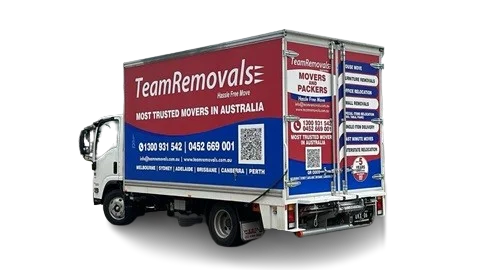
A long-distance relocation will always involve moving parts, but it does not have to feel chaotic. Plan from the arrival week backwards; give the removalist clear access and inventory details; treat the car as a separate logistics decision; and keep the paperwork visible. With the home, vehicle, and administration working from the same timeline, the move becomes a controlled transition instead of a last-minute scramble. For households looking for a removalist that understands the full picture, Team Removals Australia is worth a conversation early in the planning process.

 Rating