Brisbane Cost Of Living In 2026: Rent, Bills & More
It is exciting to get settled in Brisbane. The city has sunny weather, parks by the river, good food, and a laid-back way of life. But before you move, you should know how much it really costs to live there. Brisbane is one of the cities in Australia that is growing the fastest. Prices for housing, food, transport, and other necessities have been going up steadily.
If you’re moving by yourself or with your family and planning to rent or buy a home, knowing the average costs will help you budget better. This guide gives you realistic numbers and useful tips for managing your money well in Brisbane in 2026.
How Much Will It Cost to Live in Brisbane in 2026
Brisbane, the capital of Queensland, is a lively city with a subtropical climate, nearby beaches, a vibrant food scene, and a growing job market. The city is attracting more people due to new infrastructure and events like the 2032 Olympics.
Costs have been steadily rising, especially for housing and everyday essentials. Brisbane is still fairly cheap compared to Sydney and Melbourne, which makes it a good choice for young professionals, families, and students.
You can enjoy everything the city has to offer without worrying about money if you plan it and know how much it costs to live there.
1. Housing and Living Cost — Your Biggest Expense
Housing is usually the highest expense in Brisbane’s monthly budget. The city offers a range of housing options, from apartments in the city centre, which are convenient but more expensive, to larger, more affordable homes in the suburbs. Finding the right place and type of property is important for keeping costs down and living well.
Brisbane’s Monthly Rent Estimates for 2026:
- 1-Bedroom Apartment (City Centre): AUD 1,900–2,450
- 1-Bedroom Apartment (Suburbs): AUD 1,400–1,800
- 3-Bedroom Apartment (City Centre): AUD 2,600–3,800
- 3-Bedroom Apartment (Suburbs): AUD 2,000–3,000
South Bank, New Farm, and Fortitude Valley are all in the city centre and more expensive. Nearby suburbs such as Logan, Ipswich, and Tarragindi are cheaper and still easy to reach from the City.
Purchasing a home:
- Average Price per Square Metre: AUD 4,000–6,000
- Additional Costs: Stamp duty, council rates, insurance
Housing is still your biggest monthly expense, so it’s important to make plans based on where you live and how many people live with you.

2. Food and Groceries — Everyday Essentials
Your monthly food and grocery budget varies greatly depending on where you shop (e.g., grocery stores versus local markets); however, knowing the average prices for food and groceries will help you create a more accurate budget. For many people, cooking at home is generally less expensive than dining out. (Although many people also enjoy eating out, most people use a combination of both methods based on their own lifestyles.)
Average Grocery Costs:
- Milk (1 Litre): AUD 1.36–2.80
- Bread (500 g): AUD 2.00–3.80
- Eggs (12): AUD 4.00 – 7.00
- Chicken Breast (1 kg): AUD 8.00 – 15.00
- Apples (1 kg): AUD 3.00 – 6.30
- Rice (1 kg): AUD 2.00 – 3.50
Monthly Estimates:
- Single Person: AUD 300–600
- Couple: AUD 600–1,200
- Family of Four: AUD 900–2,300
Cooking your meals instead of eating out is a wonderful way to eat healthier and save money on food.

3. Eating Out and Dining—The Food Scene in Brisbane
The dining options in Brisbane are extremely diverse, ranging from cafes offering very casual dining to a variety of reliably affordable restaurants. People usually spend more on dining out than they do on cooking at home; however, dining out can be a fun way to discover and explore Brisbane’s food culture. It is beneficial to create a strategy for managing your monthly budget by eating most meals at home each week and also allowing yourself to eat out occasionally.
Typical Dining Costs:
- Casual Meal (Budget Restaurant): AUD 15–30
- Mid-Range Restaurant: AUD 40–80
- Coffee (Cappuccino / Flat White): AUD 4–7
- Local Beer (500 ml): AUD 6–11
Cooking your own meals at home, along with occasional dining out, allows you to enjoy what the city has to offer without spending too much.
4. Transportation — Getting Around Brisbane
You can better manage your monthly budget by knowing that transport is a big part of Brisbane’s cost of living. Knowing how much things cost lets you plan, whether you take public transport, drive yourself, or call a rideshare. In the end, choosing the best way to get around saves you time and money.
Public Transport:
- One-Way Ticket: AUD 3–5
- Monthly Go Card Pass: AUD 120–160
Driving Costs:
- Petrol (per litre): AUD 1.60–2.00.
- Taxi/Rideshare (per km): AUD 2.50–3.50
If you want to live in a suburban area that doesn’t have adequate public transportation, you will likely need to use a vehicle. You will incur additional costs for gas and transportation expenses, as well as insurance and car maintenance.
Read More: The 4 Secrets That You Should Know About House Move Brisbane
5. Utilities and Communication
The monthly price of utilities such as electricity, water, internet, and phone service constitutes a significant percentage of a person’s total living expenses in Brisbane. On average, people spend between 10 and 20% of their income on utility bills. The average person in Brisbane will see these monthly costs fluctuate based on the number of people in the household, the quantity of products and services consumed, and other factors. By creating a budget for utility expenses, you can stay within your overall monthly budget while enjoying the conveniences of modern technology.
Average Monthly Costs:
- Electricity, Gas & Water: AUD 150–230
- Internet (Unlimited Broadband): AUD 50–100
- Mobile Phone Plan: AUD 30–60
You can lower some of your monthly expenses by purchasing energy-efficient appliances and by comparing your service provider prices.
6. Insurance and Healthcare
Residents of Brisbane have access to healthcare through both public and private sectors. Australia has a publicly funded health system that provides for the majority of a person’s medical needs; however, most residents choose to take out private health insurance policies for additional coverage, faster treatment, and better service levels. The estimated costs of both public and private insurance policies need to be part of an individual or family’s household budget to provide them with peace of mind and financial security.
Average Costs:
- Doctor Visit: AUD 55–90
- Private Health Insurance: AUD 100–300 per month
- Pharmacy/Prescriptions: Variable
When you create your monthly budget, it is essential to include the cost of health care so that, when an emergency occurs or you need to see your doctor for a routine check-up, you can cover the expense.
7. Education and Childcare
Childcare and education are high costs for families in Brisbane; however, they differ significantly by type of school (either public or private) and daycare provider, as well as what types of activities are offered. As such, families should plan for their education, childcare (daycare), and associated activities, allowing them to make the best financial choices for these expenses each month.
Average Costs:
- Childcare/Daycare: AUD 1,500–2,200 per month.
- Private School: AUD 12,000+ annually
Public schools are generally free; however, parents will still have to pay for school needs such as uniforms and stationery, as well as for applicable extracurricular activities.
8. Lifestyle and Entertainment
Brisbane has an incredible variety of things to do. Many people enjoy going to the beach, visiting parks, walking along the river, or shopping for groceries. At the same time, others prefer working out at the gym, going to the movies, or enjoying the nightlife. You will enjoy many of the activities, but they will also affect your monthly budget, so plan accordingly to maintain both leisure and financial control.
Average Costs:
- Cinema Ticket: AUD 15–20
- Gym Membership: AUD 40–70
- Bar Drinks: AUD 10–15
Residents of Brisbane can save decent money on entertainment and outings by using a variety of cost-effective ways to spend time in the city, including visiting parks and walking along rivers, while keeping paid entertainment as an option for occasions.
Read More: A Stress-Free Move: Our Brisbane Furniture Removalists Offer a Complete Moving Services
9. Monthly Budget Examples
To effectively manage your finances, it is smart to know the average monthly expenses for different types of households in Brisbane. The cost of living varies depending on the type of housing you live in, your grocery spending, how you get around Brisbane, and your lifestyle. By reviewing these budget examples, you can have an idea of how to manage your finances without having to worry about unexpected expenses.
The following information represents a realistic perspective on monthly living expenses for various households:
- Single Person: AUD 2,120–3,090
- Couple: AUD 3,230–5,050
- Family of Four: AUD 5,950–10,100
The figures above represent the total costs for rent, groceries, utilities, transportation, and leisure activities. This information is to help you create a realistic budget when living in Brisbane.
10. Brisbane Cost Trends
The cost of living in Brisbane differs across various daily expenses. Some costs increase slowly over time, while others stay fairly stable. Understanding these general trends helps people living in Brisbane, or planning to move there, manage their money more easily.
- Housing: Rents in the city centre and inner suburbs are higher than in outer areas. This is mainly due to high demand and limited housing options. Housing usually takes up the largest part of a monthly budget.
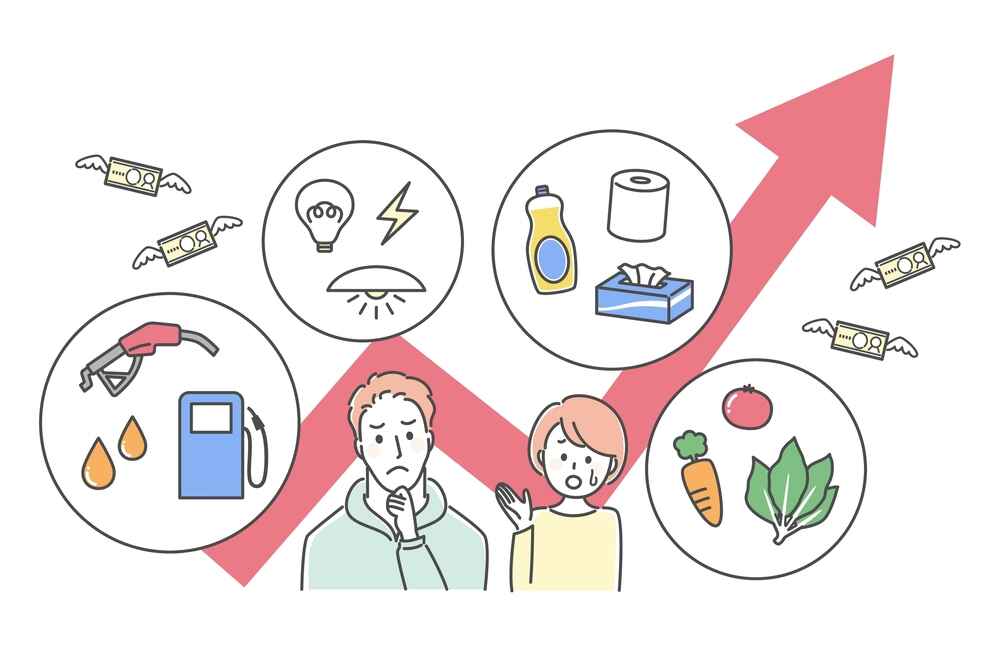
- Groceries and Essentials: Prices for everyday items such as food and household goods are mostly stable, but small price increases are common. Inflation and transport costs often influence these changes.
- Transport: Owning a car includes regular expenses like fuel, insurance, and maintenance. Public transport costs are more consistent and are often a more affordable option for daily travel.
Overall, Brisbane is more affordable than cities like Sydney and Melbourne, making it a good choice for people who want a comfortable lifestyle without very high living costs.
11. Smart Ways to Save Money
Enjoying a high standard of living in Brisbane doesn’t have to be expensive. By implementing small adaptations, such as choosing affordable suburbs, preparing meals yourself, using public transportation, and researching various utility or internet plans, you can help protect your finances in the long run and make significant savings. Choosing to plan your recreational activities around the many free or low-cost options will enable you to experience life in the area without putting too much strain on your pocketbook.
- Seek out relatively inexpensive suburbs beyond the city centre
- Cook at home instead of eating out frequently
- Use public transport instead of driving daily
- Compare utility, internet, and phone plans regularly
- Plan leisure activities around free or low-cost events
Final Thoughts—Moving and Budgeting in Brisbane
Brisbane’s unique characteristics create an environment where people have access to diverse options for career advancement, vibrant communities of like-minded individuals and cities, as well as a relaxed way of life outside of work. This area features beautiful, sunny beaches for swimming or walking along the shoreline, scenic riverside parks for families, and a range of scenic and cultural tourism attractions. It also offers extensive selections of fine dining, with a growing number of talented chefs and new restaurants opening every year, all within Brisbane’s metro region. Like many growing metropolitan areas, the cost of living continues to increase at an alarming rate, particularly in housing, grocery markets, public transport, etc.
Therefore, the typical expense category must be thoroughly researched and defined to create a realistic monthly budget while minimizing future financial difficulties. If you are a single professional, a couple, or a family, by comprehensively researching and developing your own budget that incorporates these expense categories, you will be able to live comfortably in the Brisbane area.
There are many options available when relocating to Brisbane, but moving your belongings is typically the most daunting and time-consuming part of the relocation process. Engaging a removalist, such as Team Removals, with experience relocating customers within Australia can ensure that your possessions are properly packed, transported, and unpacked safely and efficiently. Team Removals has many years of experience in this field and can also assist you throughout the entire relocation process, so you can focus on settling into your new home and enjoying the various relaxing aspects that Brisbane has to offer.


Popular Posts



Popular Category
Our Services



Get A Free Quote