DIY Packing Tips and Tricks for a Smooth Move in Australia
Simplify Your Move with Packing Tips
Moving is like a part of our life, giving us full excitement and pleasure, everyone, whether it is children or adults, but packing things on your own can be a big task, don’t worry, we caught you, you are not alone, places like big cities or countries who have big houses with small to big things can a real task. In a country like Australia, people often prefer DIY packing tips and tricks to protect all their essential items during move.
At Team Removals, every move is about uniqueness, and we understand how packing is essential for every move, whether it’s shifting to a new house, across the country, or to a small apartment.
Is DIY Packing is the Best Option?
People of Australia prefer more DIY packing for the following reasons –
- It is cost-effective: Packing and moving by professionals may cost more, but doing it by yourself saves Money.
- DIY packing helps you remove and move at your own pace, making it hassle-free. You can take plenty of rest and then start from where you left off.
- Staying well organised and in control.
- Reducing unnecessary clutter while packing things.
While packing and moving on your own has its advantages, using the correct method is all it takes to avoid any injury or damage to walls or surfaces.

What Supplies Do We Need Before DIY Packing
Before planning to move or pack furniture or items, always have some basic tools to make the move easier and safer.
- Bubble Wrapping Bags, Packing Paper, or Newspaper
- Stretch Wrap
- Label and Marker Pen
- Box Cutter and Scissors
- Zip Lock Bags for Hardware Packing
- Different sizes of boxes according to the items, flat boxes, large boxes, and small boxes.
When one has the right tools for packing and moving furniture, it becomes easier to shift by oneself.
DIY Packing Tips and Tricks
Choosing the Right Boxes
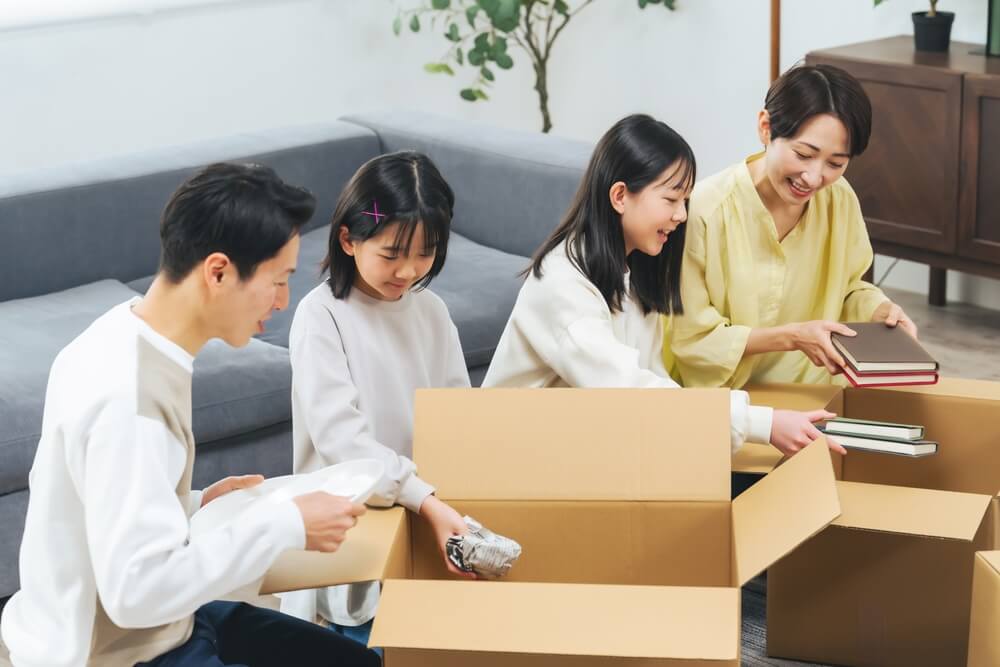
- It’s important to choose the right boxes based on the items you’re packing. For example, use flat or large boxes for cushions and bulky items, and small, sturdy boxes for heavier items like books.
Protecting the Delicate or Fragile Items
- Items like glasses or plates need to be packed with the help of towels or bubble wrap and placed in small boxes for added safety.
- Plates should be packed vertically; keeping them in a horizontal orientation could be dangerous as they may break.
Labelling and Organising Everything
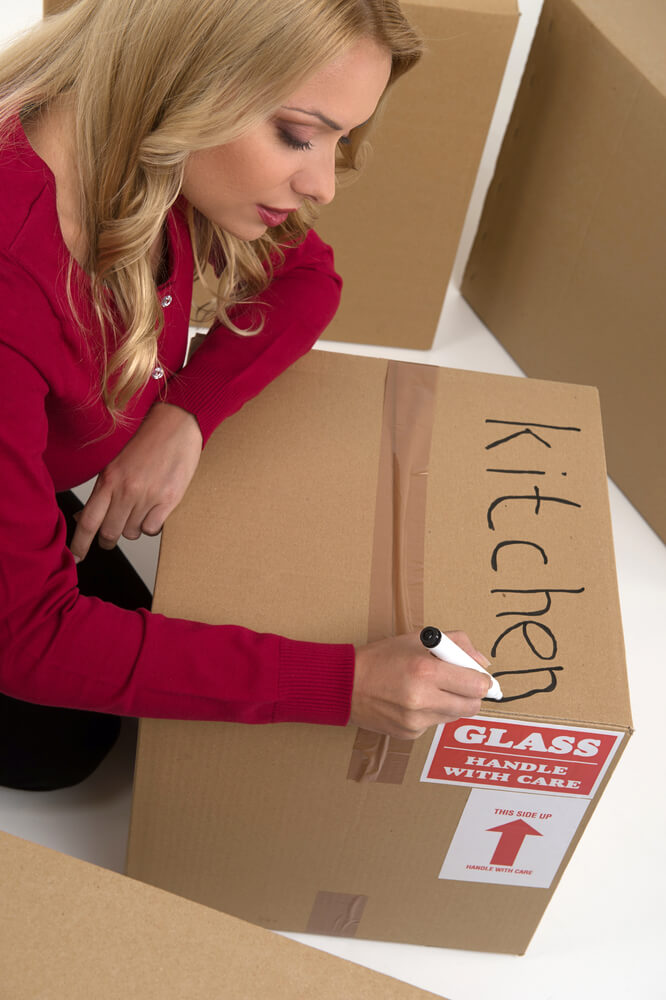
- With the help of a marker, you can pack the items one step at a time. As you continue to fill in the items, it will be easier to recognise them and place them in their designated location carefully.
- You can use the colour coding for faster item packing. Add breakable or fragile items where needed.
Make Use of the Things that You Already Have
- Utilise what you already have, as it saves money on purchasing additional tools for packing and moving. For packing clothes, use a suitcase instead of bubble wrapping and keeping them in boxes.
Common Mistakes To Avoid While DIY Packing and Moving
1. Waiting until the last day to pack and move to another location
Well, this is a common mistake many people make; they plan to pack on the last day, only to end up in a mess. Proper planning and the right technique are essential for a successful DIY move, so it’s best to start preparing at least a month in advance.
2. Overpacking the items that you don’t need versus the things you need
We must first understand that overpacking can lead to severe damage to the items inside the boxes, so innovative packaging is always necessary to avoid these kinds of mistakes.
3. Not sealing boxes and labelling boxes
Not sealing the boxes may lead to loss of the items while moving from the old house to the new location. Nobody wants that, so it is always recommended to recheck whether the boxes are sealed adequately after packing them, and also labelling them as needed is essential.
Why is Decluttering Important Before Packing Items for Moving to a New Location?
Decluttering things is not always about getting rid of things; it means keeping them organised while avoiding the risk of any damage to the items as well as to the person.
Below are the reasons or advantages that you should declutter first:
1. Helps in donating to someone who needs those items: Decluttering doesn’t mean you have to put all the items in the trash, some can be donated to the needy ones, like giving clothes, furniture, to the charity homes. This will help others while removing waste.
2. Reduces the volume of the boxes: One of the most essential parts of decluttering the items, you will know what things you need, and what things are not required. In this way, you have fewer boxes to deal with.
3. Lower your moving cost: If you are taking the help of a furniture removalist in Australia, the cost of moving things by a professional is decided by the weight of the items you are taking, reducing the truck space, which ultimately results in lowering the expenses
4. Staying organised: After the removal of the items which is not needed, you will recognise that your items are more organised.
Room By Room Expert Packing Hacks For The Move
The next step is how to pack things, room by room. Below are some tricks and techniques:
- Kitchen
- Bedroom
- Bathroom
- Living room
- Garage
1. Kitchen
The kitchen is the place where people gather to eat, share laughter, and experience joy. The challenging part comes when it’s time to declutter and pack items into boxes, ranging from breakable to voluminous ones. Items that require good planning and strategy to organise in the boxes. At team removals, professionals help pack things smoothly.
- Declutter before you pack. Start by checking each cabinet or drawer and throwing out expired food and broken utensils. You can even donate the utensils that you no longer use. In this way, getting rid of expired food helps prevent attracting insects, while donating unused utensils makes it easier to organise the remaining items during packing.
- When packing breakable items in the kitchen, choose the right packing materials. For smaller and medium boxes, select bubble wrap for the breakable items. Avoid using larger boxes, as they may be heavier. For glasses, use box dividers or, if not available, bubble wrap. Wraps instead.
- Packing non-essential items first, start by filling the space with those you rarely use, such as baking trays, special occasion dishware, and seasonal appliances like cookers.
- Seal and pack properly, while labelling it clearly.
2. Bedroom
The bedroom seems more straightforward when compared to other rooms, but it brings its own set of challenges. From packing clothes and shoes to organising personal belongings and bedroom furniture, all delicate and complicated things need to be appropriately organised. Below are some tips on where to start.
- Start by decluttering your belongings, and sell or donate the items you no longer need.
- Pack off-season clothes first. Start by packing things you no longer need, even after moving to a new house or location. Use vacuum-sealed packages to create more space in your suitcase.
- Pack shoes in separate boxes – wrap a pair of shoes in bubble wrap. Use small boxes to retain their shape. Additionally, try keeping the socks under the shoes; this can be beneficial.
- Protect personal items and accessories- pack valuable items in clearly labelled essential boxes. Seal cosmetics in plastic bags.
- Disassemble furniture carefully, for beds, dressing rooms, and keep the bolts and screws safely.
- Wrap wall decor and mirrors in bubble wrap, and pack electronics safely. Take photos while disassembling the electronic cables and wires.
- Prepare an essential box for pyjamas, chargers, bed sheets, and pillows.

3. Bathroom
The bathroom is often a small space, yet most people don’t know the proper way to pack it, which involves separating dry items, liquids, and breakable items to avoid leaks and damage. Below are some techniques that can be used for smart packing and moving the items easily.
- Declutter all your cabinets, paying attention to items that are not used or are broken. Recheck and analyse which items to keep and discard.
- Use the right packaging materials, such as small boxes, bubble wrap, and marker pens, for labelling it.
- Pack liquids carefully, check if any product is leaking, and use a double wrapping method.
- Pack toiletries and grooming essentials in a separate bag, such as hair dryers and razor blades, with plastic or bubble wrap.
- Organise towels by rolling them to create more space while packing.
- Pack all the bathroom essentials that are necessary during the trip or that will help you declutter right after reaching your destination.
4. Living Room
When packing for the move, the living room is the most challenging part because there are numerous items to pack, ranging from fragile items to books and electronics, such as the TV, sofa, and decorative breakables. Below are some tips and tricks to master the packing plan of a living room.
- The first step is to declutter the things, donating or selling the items that are no longer used.
- Disassemble TV units and small pet tables, then protect them with ziplock bags.
- Use blankets and bubble wrap for extra security.
- Protect the lamp and bulbs by wrapping them in bubble wrap and labelling the boxes as fragile.
5. Garage
Packing the garage should be the last step, but it should also be organised clearly so that it can be easier to pack and move to a safer place without any damage to the objects.
- The first step is to start by decluttering the items
- Make sure to dry all the wet items before packing
- Wrap and secure large items like ladders, bicycles, etc
- Bundle up large items together, like fishing poles, tent poles
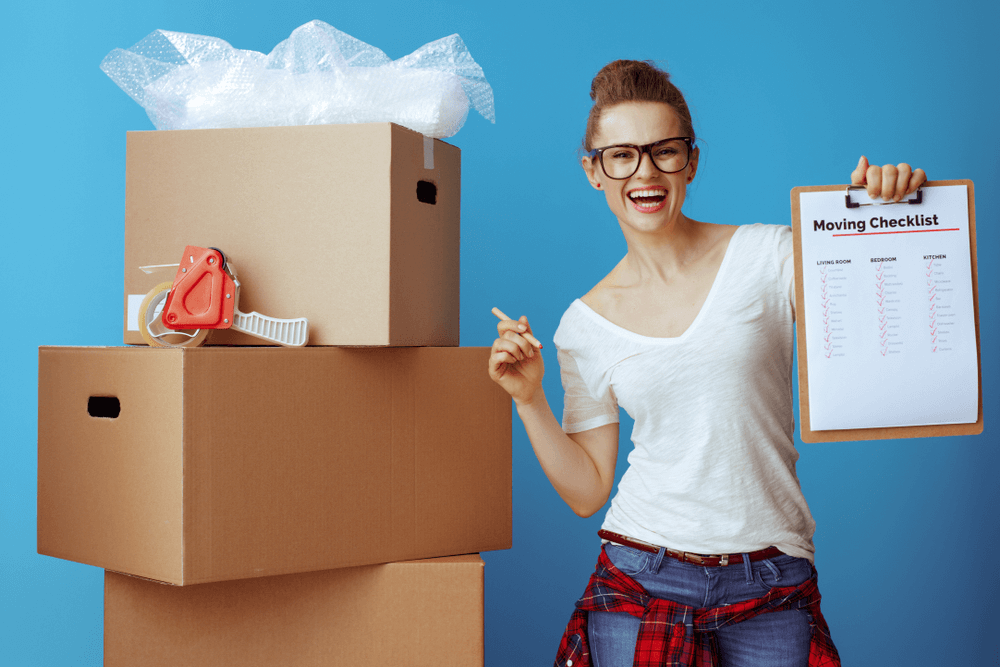
Final Day Preparing and Checklist
Here comes the final day, after packing the boxes correctly, below are some bare essentials that you need to know before travelling to the new place.
- Keep all the essential documents with you
- Prepare an overnight bag
- Charger devices and snacks, etc.
Why are Professionals Needed for Packing and Moving? Is it the Wise Choice?
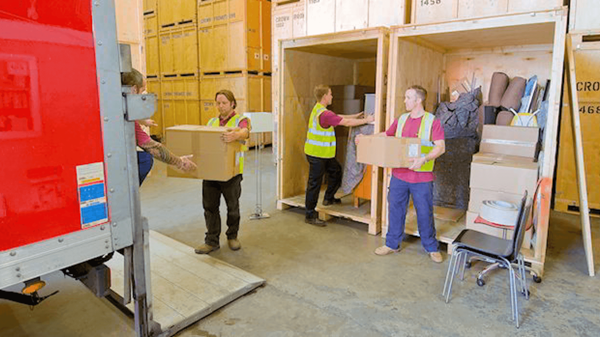
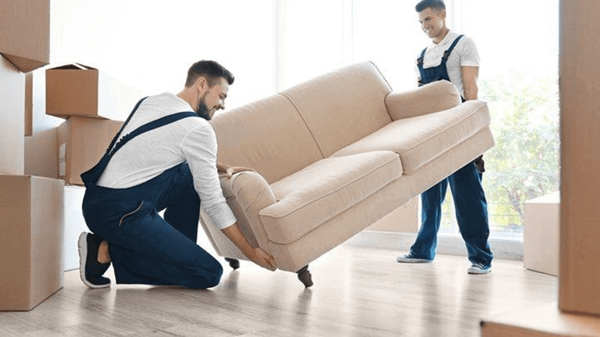
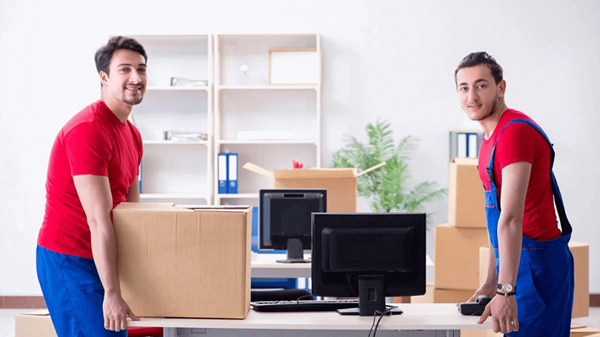
Moving and packing on your own has its advantages and disadvantages, but when it comes to packing or managing things correctly, a professional is needed. Team Removals is the best choice because they are trained to handle this problem. Why hire Professional movers for your moving process:
- One of the most important things is that it saves your time and effort, because doing it on your own engages you and disturbs you in your daily work. While doing it yourself may involve your whole family.
- Ideal for long-distance moves and interstate moving & packing for shorter distances
- Reduces the risk of injury – Doing it yourself may risk injury if you are not doing it correctly, but hiring a professional may decrease the risk, giving you peace of mind throughout the process.
Conclusion
Moving house in Australia doesn’t have to be stressful, particularly if you use some good DIY packing tips and strategy. When you are organised at the start, you can save time, reduce your costs, and keep your personal items safer. From using the right boxes to pack with and breaking it down room by room, preparation goes a long way. Avoid common packing mistakes, use the right packing materials, and begin packing early for an organised move rather than a crazy one.
Whether you are moving across the city or across the country, smart packing ensures your belongings make it safely to their destination. And if at any point you feel the DIY packing is too much for you, Team Removals, the best an affordable movers, can help you. Our experienced packers and movers know what it takes to move your belongings safely so that you can move with confidence.
Ready to Move? Contact Team Removals today if you need expert help with packing and relocation anywhere in Australia.


Popular Posts




Popular Category
Our Services
Get A Free Quote